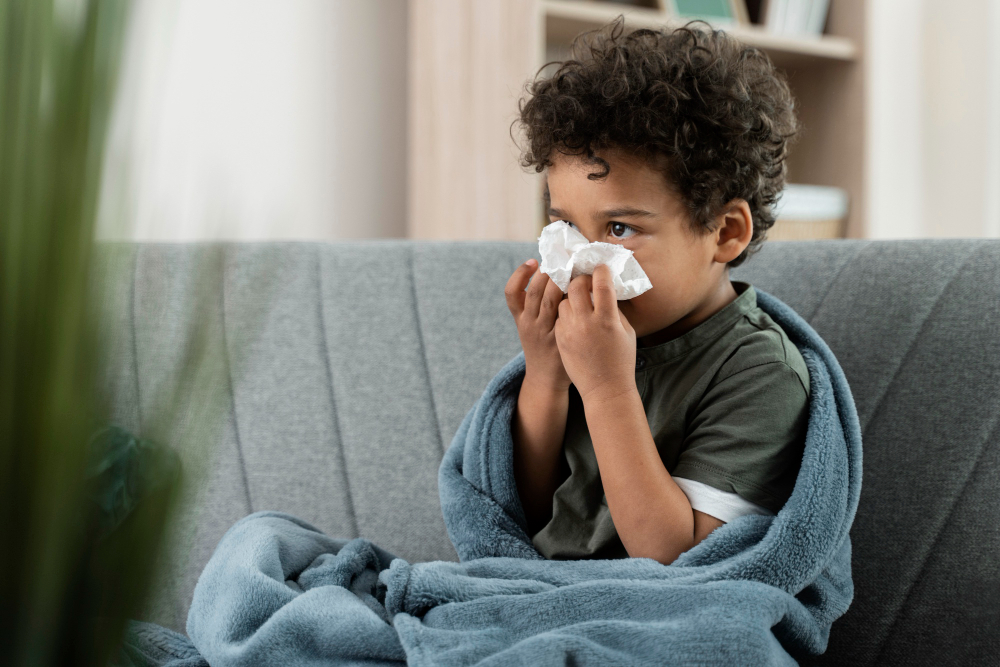
Severe allergies in children can be scary for any parent or caregiver. These allergies can cause strong reactions that need quick attention. Knowing the childhood allergy warning signs is important. In addition, learning how to recognize severe allergies in kids can help you act fast. This guide explains pediatric allergy symptoms, what to watch for, and when to get help.
What Are Severe Allergies in Children?
Severe allergies in children happen when their immune system reacts strongly to something harmless. For example, foods like peanuts, milk, or eggs can trigger a reaction. Sometimes, insect stings or certain medicines can also cause problems. However, not all allergies are severe. Some cause mild symptoms, while others can be life-threatening. According to the Centers for Disease Control and Prevention (CDC), food allergies affect about 1 in 13 children in the United States.
Severe allergic reactions are called anaphylaxis. This condition can happen quickly and needs emergency care. Because children may not always explain how they feel, it is important for adults to know the signs.
Common Signs and Symptoms of Severe Allergies
Recognizing severe allergy symptoms early can save lives. While mild allergies may cause sneezing or a rash, severe reactions are much more serious. In addition, these symptoms can appear within minutes of exposure.
For example, a child may suddenly start coughing, have trouble speaking, or complain of a tight throat. Sometimes, symptoms can get worse very fast. Therefore, it is important to act quickly if you notice these signs.
When to Seek Immediate Medical Attention
Some allergy symptoms need urgent care. If your child shows any of the following, call emergency services right away:
Even if you are unsure, it is better to be safe. Quick treatment can prevent serious problems. According to the World Health Organization (WHO), anaphylaxis can be fatal if not treated quickly. Therefore, always keep emergency numbers handy and know where the nearest hospital is located.
Tips for Parents: Monitoring and Early Detection
Parents and caregivers play a key role in keeping children safe. Here are some tips to help you monitor and detect severe allergies early:
In addition, regular check-ups with your child’s doctor can help manage allergies. Early detection and quick action can make a big difference. For more information, visit trusted sources like the CDC or your local health department.
If you notice any severe allergy symptoms in your child, consult a pediatric specialist at Sowmya Children Hospital for personalized guidance.