What Is Childhood Obesity?
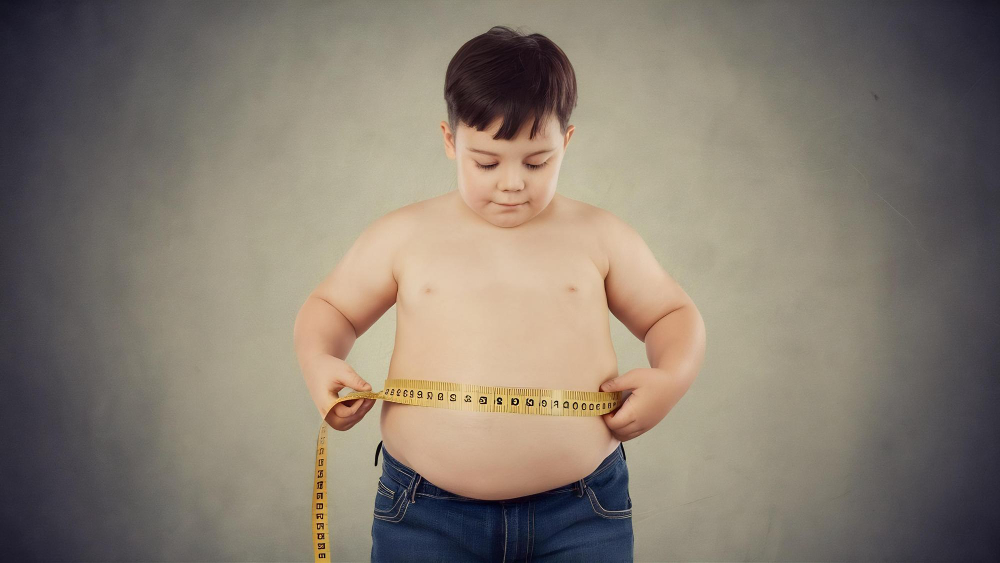
Childhood obesity means a child has too much body fat for their age and height. In recent years, childhood obesity has become more common. According to the CDC, about 1 in 5 children in the United States is affected. Because this can lead to health problems, healthy weight management for kids is very important. Children with obesity may face both physical and emotional challenges as they grow.
Common Symptoms and Warning Signs
Sometimes, it is not easy to spot childhood obesity. However, there are some warning signs parents and caregivers can watch for. For example, a child may:
In some cases, children may also develop stretch marks or skin changes. Yet, not all children with extra weight will have these symptoms. Therefore, regular check-ups with a doctor are important.
Causes and Risk Factors
Many things can lead to childhood obesity. Some children may have a family history of obesity. Others may have habits or environments that make healthy choices hard. Still, most cases involve a mix of several risk factors. These include:
Additionally, some medicines or health problems can make weight gain more likely. Because of these risks, parents should watch for early signs and talk with their child’s doctor.
How Childhood Obesity Is Diagnosed
Doctors use a simple tool called Body Mass Index, or BMI, to check for childhood obesity. BMI compares a child’s weight and height to others of the same age and sex. If a child’s BMI is much higher than most kids, they may be considered obese. However, doctors also look at growth charts and family history. Sometimes, they will check for health problems linked to obesity, such as high blood pressure or high cholesterol. Early diagnosis helps families start healthy weight management for kids right away.
Evidence-Based Treatment Options
Treating childhood obesity often starts with small changes at home. According to the World Health Organization and CDC, the best treatments are based on healthy eating and more activity. For most children, doctors recommend:
In some cases, a doctor may suggest seeing a dietitian or counselor. Rarely, medicine or surgery is used, and only for severe cases. Because every child is different, treatment plans should fit each family’s needs.
Healthy Weight Management Tips for Children
Managing a healthy weight is a team effort. For example, parents can help by:
Additionally, it helps to praise children for healthy habits instead of focusing on weight. Over time, these steps can support healthy growth and prevent childhood obesity.
Lifestyle and Nutrition Guidance for Families
Families play a big role in preventing childhood obesity. Because children learn from adults, it is important to create a healthy home. Here are some nutrition tips for children and families:
Even small changes can make a big difference. For instance, walking together after dinner can help everyone stay active.
Prevention Strategies for Childhood Obesity
Preventing childhood obesity starts early. While some risk factors cannot be changed, many can. To help keep children at a healthy weight, families can:
Because healthy habits last a lifetime, starting early can help children grow strong and confident. Preventing childhood obesity is a shared goal for families, schools, and communities. Consult experts at Sowmya Children Hospital who will evaluate your child and provide treatment.