What Are Skin Allergies in Children?
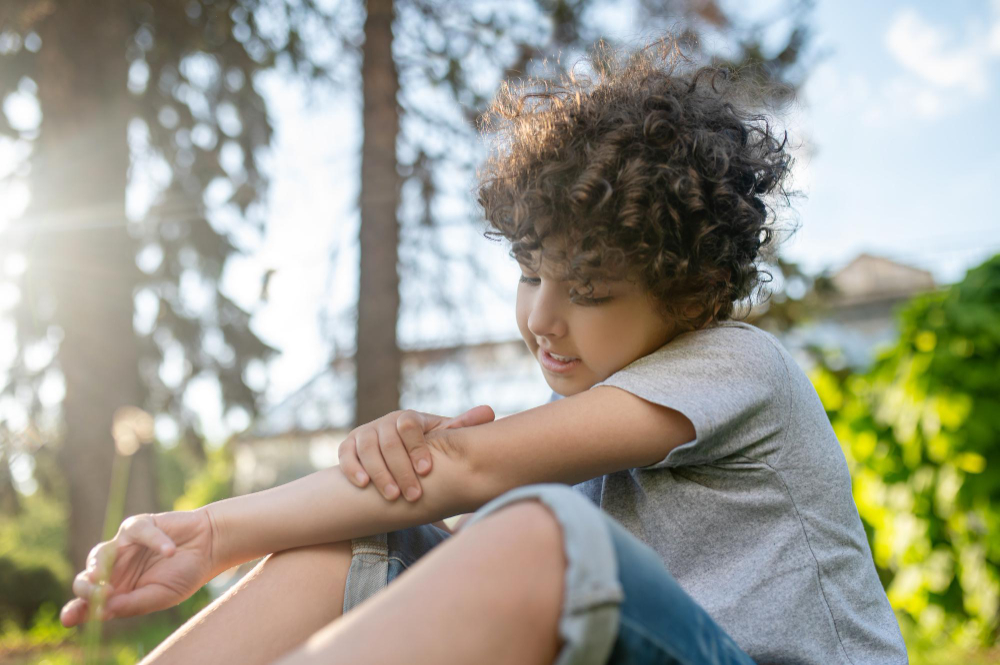
Skin allergies in children are common. They happen when a child’s skin reacts to something in the environment. For example, a child might get a rash, redness, or itching. These reactions can be mild or severe. In many cases, skin allergies in children include conditions like eczema, hives, or contact dermatitis. According to the CDC, skin allergies are among the top reasons for doctor visits in kids. Because children have sensitive skin, they may react more easily than adults.
Common Symptoms of Skin Allergies in Children
Children may show different signs when they have a skin allergy. Often, symptoms appear soon after contact with a trigger. However, sometimes they may take longer to show. Watch for these common symptoms:
Sometimes, symptoms can get worse if a child scratches the area. In addition, infections may happen if the skin breaks open. Early care can help prevent problems.
Common Triggers for Skin Allergies in Children
Many things can cause skin allergies in children. While some triggers are easy to spot, others may be hidden. Here are some of the most common triggers:
For example, childhood eczema triggers often include dry air, sweat, or certain fabrics. Managing hives in kids may mean avoiding foods or medicines that cause reactions. Because every child is different, triggers can vary from one child to another.
Diagnosis of Skin Allergies in Children
Doctors use several steps to diagnose skin allergies in children. First, they ask about symptoms and family history. Next, they may look at the skin closely. Sometimes, a doctor will suggest allergy tests. These tests can include:
Because some rashes look alike, a doctor may need time to find the exact cause. In many cases, keeping a diary of symptoms and triggers helps the doctor make a diagnosis.
Treatment Approaches for Skin Allergies in Children
Treating skin allergies in children often starts with avoiding known triggers. However, when symptoms appear, safe skin allergy treatments for children are important. Doctors may suggest:
According to the American Academy of Dermatology, most children improve with simple care and safe treatments. Still, always follow your doctor’s advice. Never use adult-strength creams or medicines on children unless told by a healthcare provider.
Prevention and Daily Care Tips
Preventing skin allergies in children is possible with daily care. While not all reactions can be stopped, these tips may help:
Because weather can affect the skin, protect your child from extreme heat or cold. In addition, regular check-ups with your doctor can help manage ongoing skin issues. For families in urban areas or cities with high pollution, keeping indoor air clean may also help reduce flare-ups.
Conclusion
If your child shows signs of a skin allergy, do not wait. Visit Sowmya Children hospital for expert care and guidance to help your child feel better and stay healthy.