What Are Febrile Seizures?
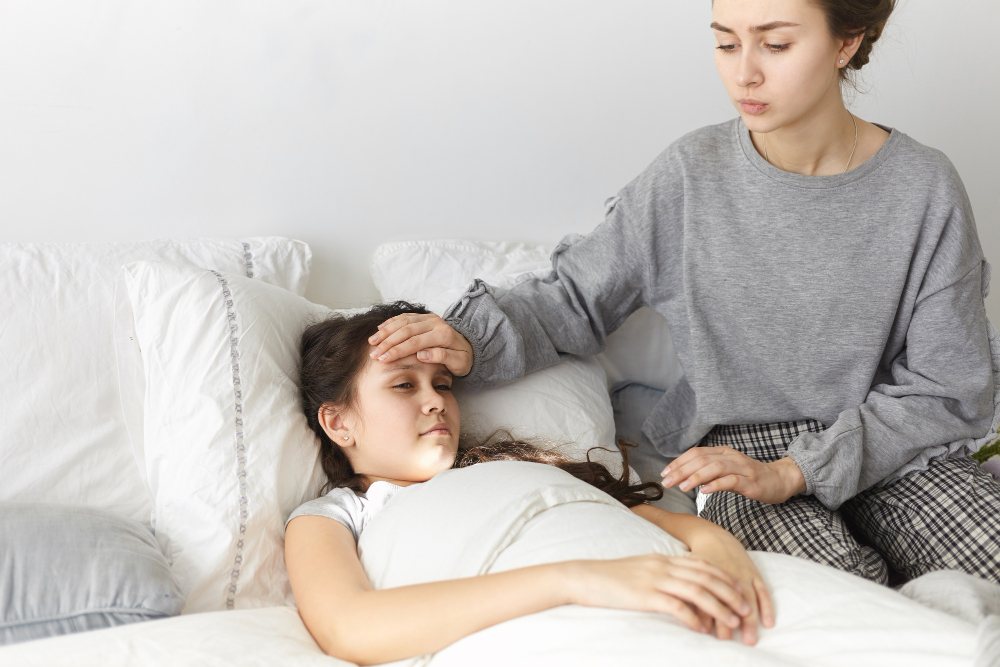
Febrile seizures in children can be scary for parents. These seizures happen when a child has a fever. Usually, they affect kids between 6 months and 5 years old. The CDC notes that febrile seizures are the most common type of seizure in young children. Although they look frightening, most febrile seizures are not harmful. In fact, most children recover quickly and do not have lasting problems. Still, it helps to know what to expect and how to respond.
Common Symptoms of Febrile Seizures
Recognizing seizure symptoms in kids is important. Febrile seizures often start suddenly. For example, your child may:
Usually, these symptoms last less than five minutes. However, some seizures may last a bit longer. Afterward, your child may feel sleepy or confused for a short time.
Causes and Risk Factors
Febrile seizures in children happen because of a rapid rise in body temperature. Most often, this is due to a viral or bacterial infection. For instance, common colds, ear infections, or flu can trigger a fever. Some children are more likely to have febrile seizures. Risk factors include:
Even so, most children with fevers do not have seizures. According to the WHO, only about 2 to 5 percent of children experience them.
How Febrile Seizures Are Diagnosed
Doctors diagnose febrile seizures by asking about your child’s symptoms and medical history. They may perform a physical exam. Sometimes, they check for signs of infection. In most cases, no special tests are needed. However, if your child is very young or the seizure lasted longer than usual, the doctor may order tests such as:
Usually, brain scans or EEGs are not required unless the doctor suspects another cause.
Treatment and Management Options
Most febrile seizures in children stop on their own. While this can be frightening, try to stay calm. During a seizure, you should:
After the seizure, let your child rest. If the seizure lasts longer than five minutes or your child has trouble breathing, seek medical help right away. According to the CDC, medicine is rarely needed for simple febrile seizures.
Home Care Tips for Parents
After a febrile seizure, your child may feel tired. However, most children recover quickly. Here are some tips for home care:
In addition, always follow your doctor’s advice for caring for your child after a seizure.
Preventing Febrile Seizures
While you cannot always prevent febrile seizures in children, there are steps you can take. For example, you can:
Still, not all seizures can be prevented. Some children may have a seizure even with careful fever management. If you live in a hot or humid area, watch for fevers more closely, as children may overheat faster.
When to Seek Medical Help
Knowing when to get help is important for every parent guide to febrile seizures. You should call your doctor or visit the emergency room if:
Always trust your instincts. If you feel unsure, it is better to seek help. Consult at Sowmya Children hospital