
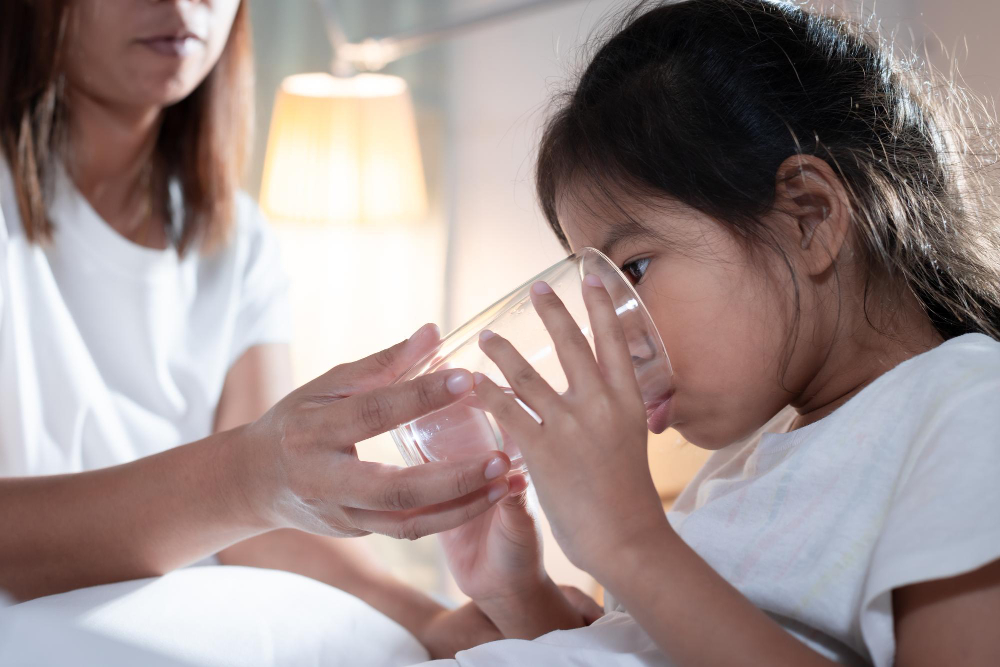
What is Dehydration in Children?
Dehydration in children happens when a child loses more fluids than they take in. This can make their body lack the water it needs to work well. Often, children lose fluids through sweating, vomiting, diarrhea, or not drinking enough. Because children are smaller, they can become dehydrated faster than adults. Therefore, it is important for parents and caregivers to watch for early signs of dehydration in children.
Common Symptoms of Dehydration in Children
Recognizing the signs of dehydration in children is key. Early detection helps prevent serious health problems. Some symptoms are easy to spot, while others may be subtle. For example, a child may seem tired or cranky. Other times, they may not act like themselves. Look for these common symptoms:
If you notice these symptoms, act quickly to prevent the problem from getting worse.
Causes and Risk Factors
Many things can cause dehydration in children. Sometimes, it happens because of illness. Other times, it is due to not drinking enough fluids. Here are some common causes and risk factors:
Because children may not always ask for water, parents should offer fluids often, especially during illness or hot weather.
How Dehydration is Diagnosed in Children
Doctors use several ways to check for dehydration in children. First, they ask about symptoms and recent illnesses. Next, they do a physical exam. They may look at the child’s mouth, eyes, and skin. Sometimes, they check the child’s weight to see if there has been a sudden loss. In some cases, doctors may order blood or urine tests. These tests help show how much fluid the child has lost. However, most cases are diagnosed by looking at symptoms and exam findings.
Treatment Options for Dehydration in Children
Treating dehydration in children depends on how severe it is. For mild cases, you can often treat dehydration at home. Here are some steps you can take:
If your child is vomiting, try giving tiny amounts of fluid every few minutes. For moderate or severe dehydration, your child may need medical care. Sometimes, fluids are given through an IV at the hospital. Always follow your doctor’s advice on how to treat dehydration at home or when to seek help.
Prevention Tips for Parents and Caregivers
Preventing dehydration in kids is possible with a few simple steps. Because children may not always ask for water, it is important to remind them to drink. Here are some tips:
With these steps, you can help prevent dehydration and keep your child healthy.
When to Seek Medical Help
Sometimes, dehydration in children can become serious. Therefore, you should seek medical help right away if your child:
If you are unsure, it is always better to call your doctor. Early treatment can prevent serious problems.
If you suspect your child is dehydrated, consult a pediatrician at Sowmya Children’s Hospital for personalised advice.